
Commercial Trucking Insurance

Solutions designed to keep you on the road.
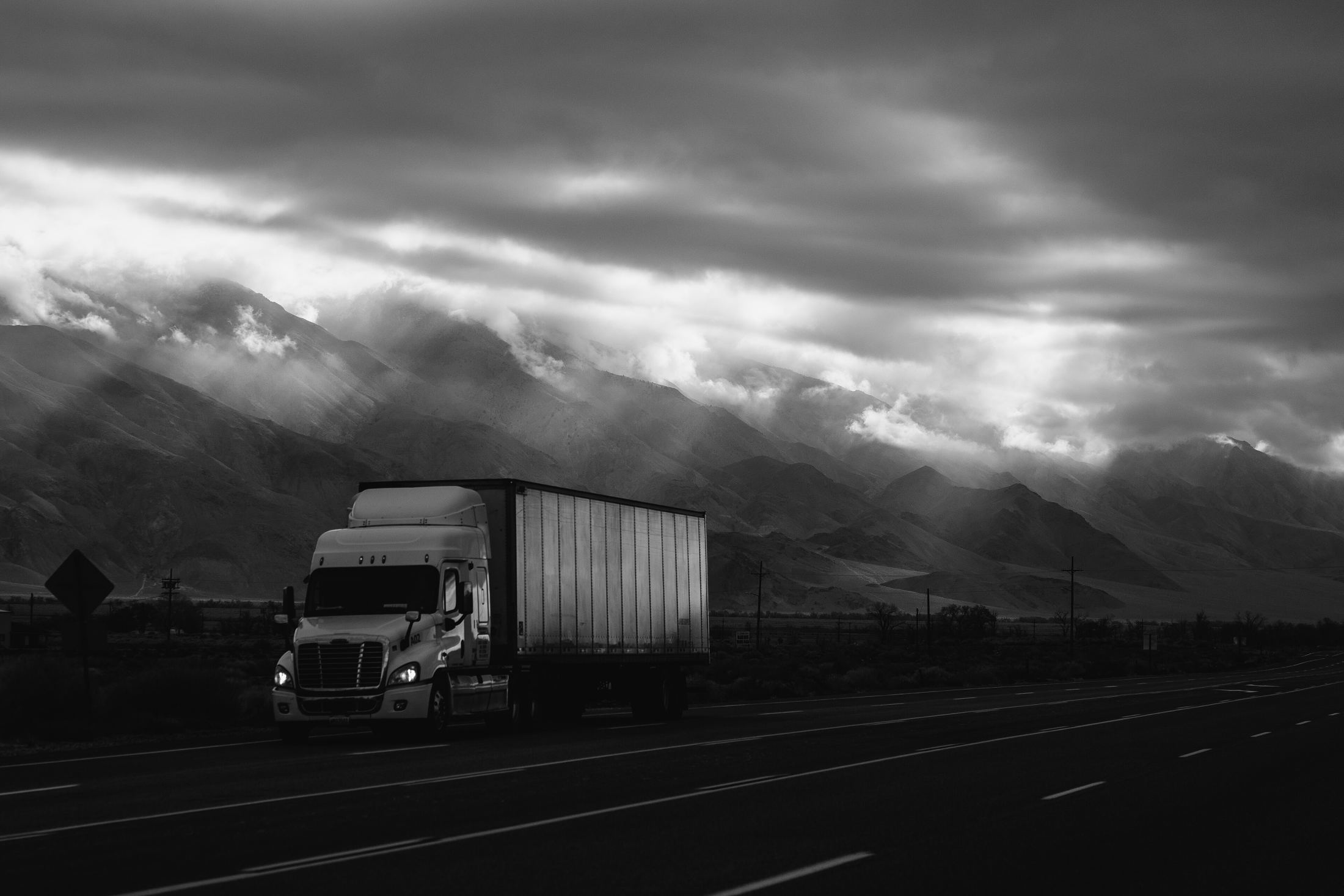
A tractor-trailer on a two-lane highway under storm clouds, in black and white
Photo: Robson Hatsukami Morgan, CC0

What it is

We're Your Commercial Trucking Specialists in Smyrna, Georgia. Metro Risk Management Group has the knowledge and expertise to properly insure your commercial trucks and trailers. A trucking program starts with primary auto liability, then adds physical damage, motor truck cargo, general liability and, for many operations, non-trucking liability and trailer interchange, along with the federal and state filings that prove the coverage exists.

Why it matters

For-hire carriers in interstate commerce have a federal floor to clear. Under 49 CFR § 387.9, a for-hire carrier moving nonhazardous property in a vehicle of 10,001 lbs GVWR or more must carry $750,000 in financial responsibility; oil and the hazardous materials listed at 49 CFR 171.8 and 172.101 require $1,000,000; and certain hazardous materials in bulk require $5,000,000 (eCFR, current as read September 15, 2026). Shippers and brokers often contract for more than the floor, and cargo coverage is a separate question altogether.

Who needs it

Owner-operators running under their own authority, small fleets, and businesses that haul their own goods in trucks of 10,001 lbs GVWR or more. Also the leased owner-operator whose motor carrier provides primary liability but who still owns the tractor.

In Georgia

We make it simple and never try to sell you 'extra' coverage you don't need. Metro Risk Management Group can help you achieve the best rates, only the coverage you need, and superior ongoing support. For carriers that stay inside Georgia, the state sets the required insurance amounts by rule rather than in the statute: O.C.G.A. § 40-1-112 provides that the department shall determine and fix the amounts of such indemnity insurance, and the statute itself names no dollar figure. That is why the intrastate figure can move independently of the federal floor, and why it is checked against the current rule at the time of the filing rather than quoted from memory.

What the policy can include

  • Primary auto liability, with the federal filings where the authority requires them
  • Motor truck cargo
  • Physical damage on tractors and trailers
  • General liability for the motor carrier
  • Non-trucking liability for leased owner-operators
  • Trailer interchange
  • Certificates for shippers, brokers and lessors

Information is general in nature and may not reflect your specific situation. Policy language, not this page, determines coverage.

$750,000, $1,000,000 or $5,000,000: the federal financial-responsibility floor for a for-hire carrier, by what it hauls.

Source: 49 CFR § 387.9, Table 1, eCFR, current as read September 15, 2026; latest amendment shown July 21, 2026.

Questions we get

What is the federal minimum liability for a trucking company?
For-hire carriers in interstate or foreign commerce with vehicles of 10,001 lbs GVWR or more hauling nonhazardous property: $750,000. Oil, and the hazardous materials, wastes and substances listed at 49 CFR 171.8 and 172.101: $1,000,000. Hazardous materials in bulk in the listed classes and divisions: $5,000,000. Source: 49 CFR § 387.9, Table 1, eCFR current as read September 15, 2026, with the latest amendment shown July 21, 2026. Those are floors, not recommendations; many shippers and brokers contract for higher limits.
Does Georgia have its own minimum for intrastate carriers?
Georgia sets the amounts by rule rather than in the statute. O.C.G.A. § 40-1-112 says the department shall determine and fix the amounts of such indemnity insurance, requires coverage for property carriers against loss or damage and for passenger carriers against injury proximately caused by the negligence of such motor carrier, and permits self-insurance whenever in its opinion the financial ability of the motor carrier so warrants (2024 Code, as read September 15, 2026). Because the statute names no dollar figure, the current intrastate amount is confirmed against the rule at the time of the filing.
What is the difference between auto liability and cargo coverage?
Auto liability responds to injury or damage your truck causes to other people and their property. Motor truck cargo responds to the freight you are hauling when it is damaged, lost or stolen in transit. The federal minimums in 49 CFR § 387.9 are about liability; a shipper's or broker's cargo requirement is a separate contract term and a separate policy.
I lease onto a carrier. What do I need?
A leased owner-operator usually carries physical damage on the tractor and non-trucking liability for the time the truck is not under dispatch, while the motor carrier's policy provides primary liability under the lease. The lease agreement says who carries what; bring it to the quote.
Can you handle the federal filings?
Filings are made by the insurance company on the carrier's behalf once the policy is bound, and the agency coordinates them with the carrier so the filing matches the policy. Which filings apply depends on the authority and the commodity.
What do you need to quote a trucking policy?
Your MC and DOT numbers if you have authority, the vehicle list with VINs and values, the driver list with license numbers and dates of birth, your loss runs if you have been insured, the commodities you haul and the radius you run. Set up an appointment via Zoom, telephone, or in person for your insurance portfolio assessment.

Set up an appointment via Zoom, telephone, or in person for your insurance portfolio assessment.

Get a Quote Call